 Image 1 of 1
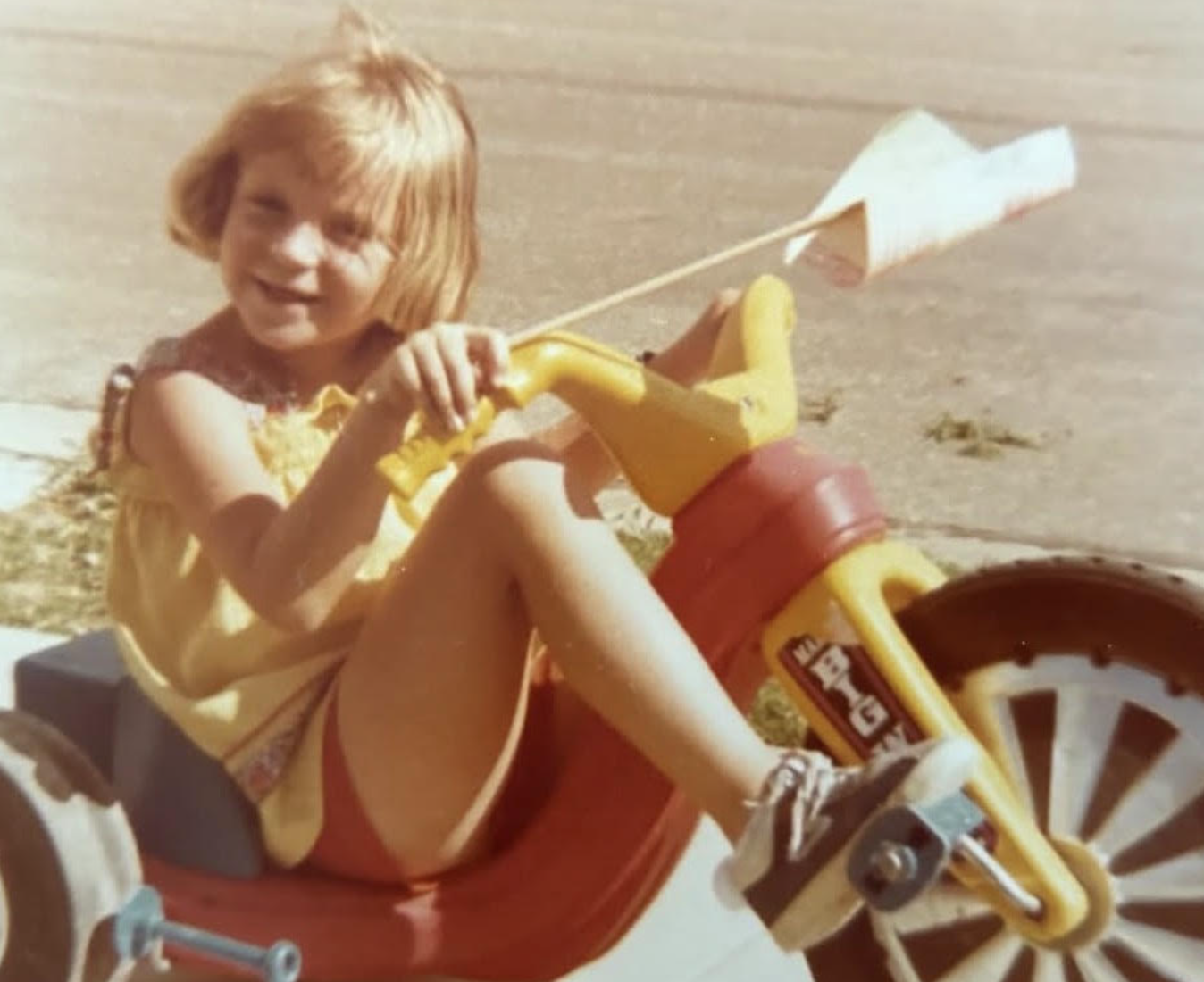
“I think we are well-advised to keep on nodding terms with the people we used to be,” writes Joan Didion in her essay, “On Keeping a Notebook.” In this 4-week class, we’ll read essays by writers engaged with their younger selves—and you’ll write experiments (350-750 words) each week and receive feedback from me. We’ll read work by Marcia Aldrich, William Bradley, Jill Christman, Bernard Cooper, Steve Edwards, Kiese Laymon, T Kira Madden, Kat Moore, Jamila Osman, and more. The Zoom link and model essays will be emailed to you.
“I think we are well-advised to keep on nodding terms with the people we used to be,” writes Joan Didion in her essay, “On Keeping a Notebook.” In this 4-week class, we’ll read essays by writers engaged with their younger selves—and you’ll write experiments (350-750 words) each week and receive feedback from me. We’ll read work by Marcia Aldrich, William Bradley, Jill Christman, Bernard Cooper, Steve Edwards, Kiese Laymon, T Kira Madden, Kat Moore, Jamila Osman, and more. The Zoom link and model essays will be emailed to you.