Dig down into your exisitng essay drafts to enhance them with the foundational elements of the personal essay you’ll study in this 6-week class.
THE ESSAY STATION
Upcoming
CLASSES & SEMINARS
In “Writing About Things We Lose,” you’ll read model essays by writers including Marcia Aldrich, Sven Birkerts, Jaquira Díaz, Cade Mason, Jamila Osman, David Sedaris, Diane Seuss, Sanjna Singh, and more, describing the loss of everyday experiences—of beloved objects, forgotten places, innocence, time, and more—to focus on how to think about loss in a way that brings us back to good memories, simpler times, and joy. And you’ll write your own!
Note: This is an independent study in June. Each Sunday, I’ll send you the model essays and my craft notes, and you’ll write an experiment (300-800 words) inspired by the readings and craft elements and send it to me by Wednesday. Then I’ll send you my feedback on Friday. At the end of this generative course, you’ll have drafts of four potential essays, along with my encouraging feedback for each one. When you enroll, I’ll send more details and instructions. Let’s go!
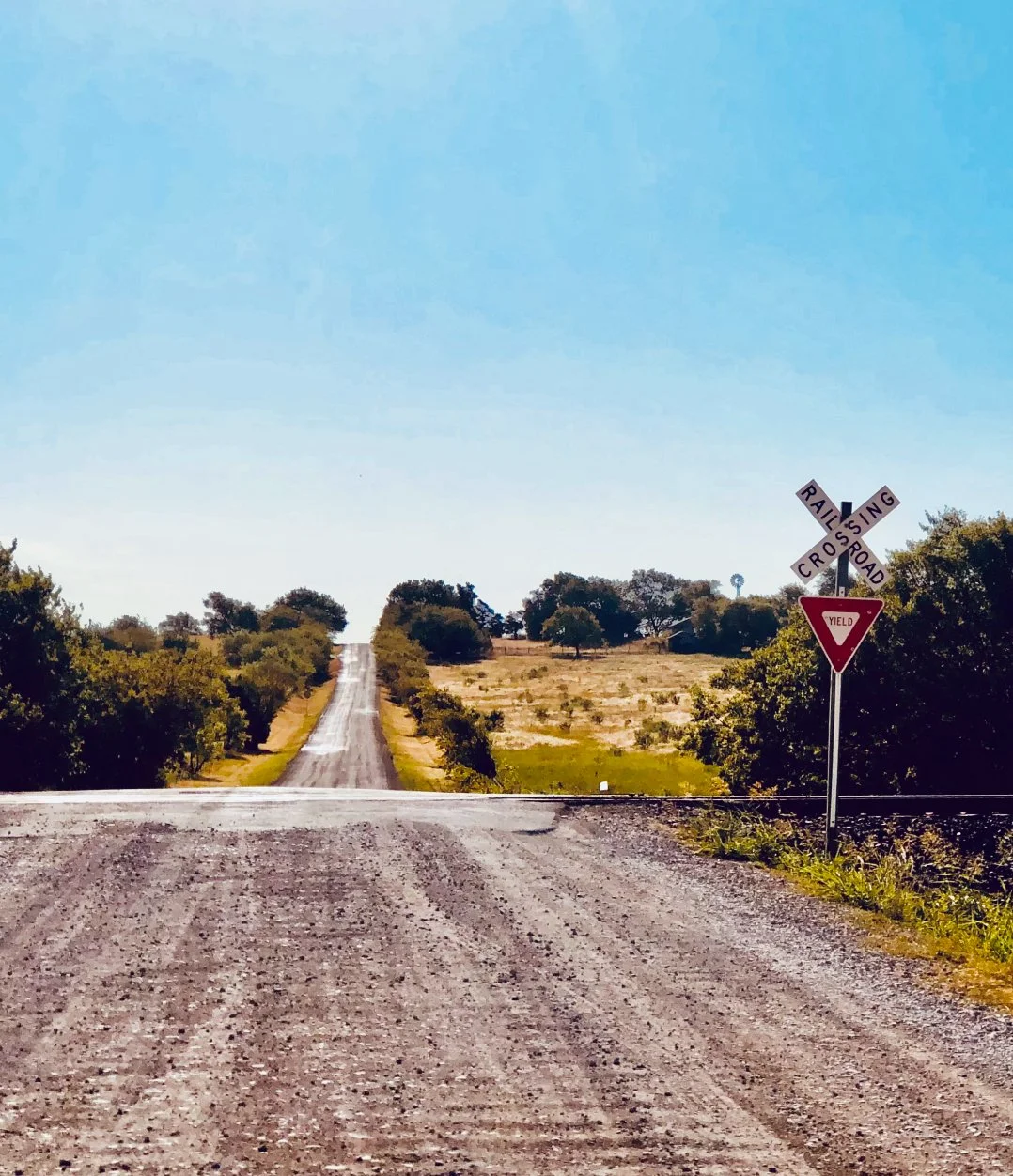
Start your summer on the road! In this 4-week class, you’ll take a trip across various states & states of mind, reading and writing about wandering the backroads, following familiar routes back home, traversing the distance of the desert, gas station stops & more.
Each week, you’ll read model essays by writers such as Hanif Abdurraqib, Penny Guisinger, L.I.Henley, Caitlin Horrocks, Aube Rey Lescure, Christine Hyung-Oak Lee, Stephen J. Lyons, Dinty W. Moore, Jericho Parms, Joanna Pollock, Colson Whitehead, and more—you’ll write your own roads—experimenting (300-800 words) with ways to essay your escapes, odd encounters, observations, pilgrimages, and discoveries. I’ll send you encouraging, thorough feedback each week, and on Mondays, you’ll get to hear what’s working in your writing from your fellow writers, discuss the week’s readings, and learn effective craft elements for writing (the road). A packet of the class readings and the Zoom link will be emailed to you before class begins.
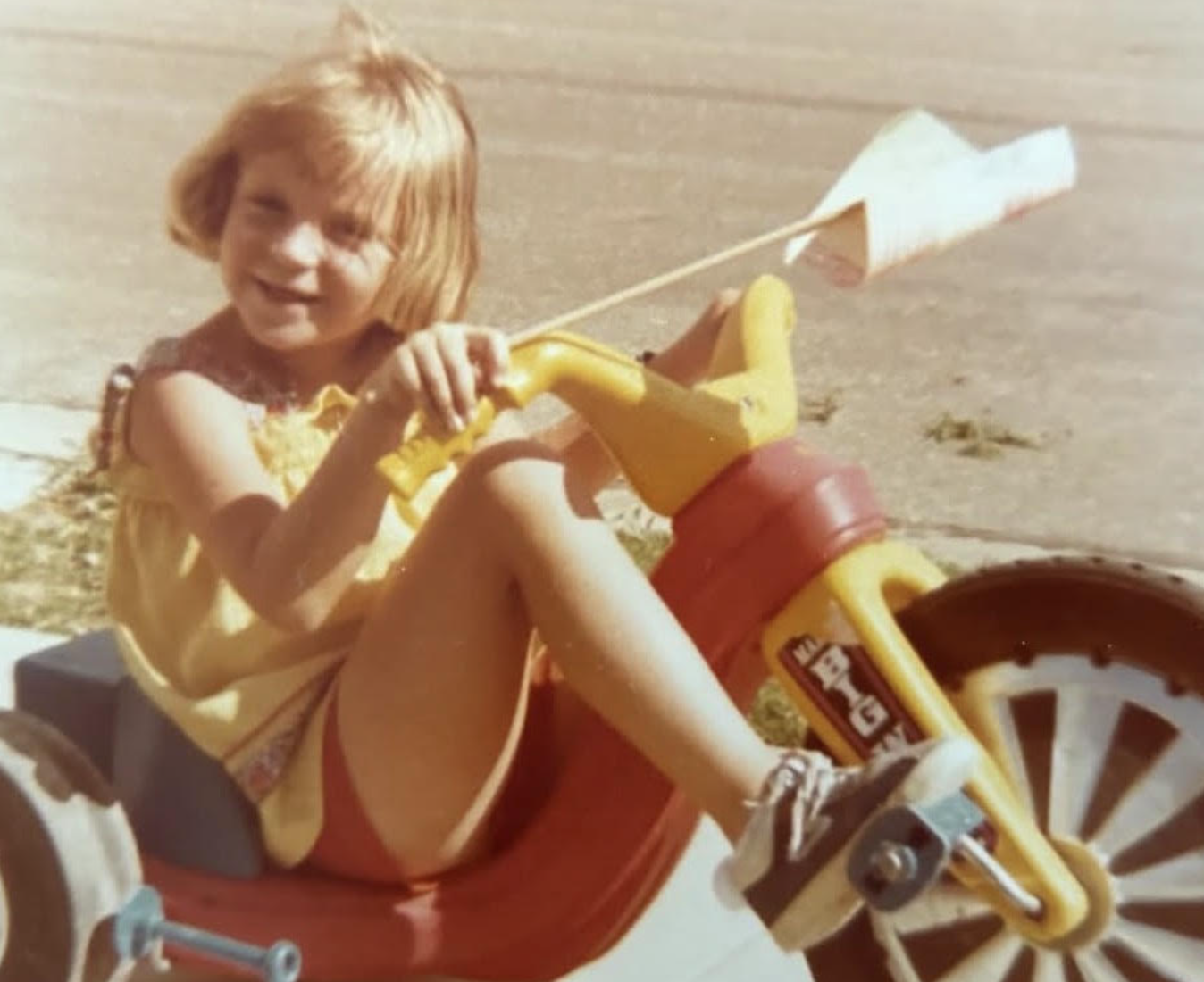
This four-week class explores and interrogates the adventures and joys our younger selves experienced, the memories (clear and hazy), the discoveries of crushes and loves and desires, searches for freedom, private worlds, and the ways we tried (and failed) to find our truest selves.
Week 1: Points of View for the Younger Self | Week 2: Self, Identity, Discovery
Week 3: Nonlinear Structures | Week 4: Combining past & present selves + questioning memory
Each week, you’ll read model essays by writers, and you’ll write experiments (350-800 words) , share a section of your experiment during Saturday’s class (optional), and receive weekly feedback from me. The Zoom link and model essays will be emailed to you before class begins.
Upcoming
Seminars:
Stay Tuned!
Soon!
Past seminars include:
How To Begin (Your Essays)—Recurring Patterns from Classical to Contemporary
How To Close (Your Essays)—Recurring Patterns from Classical to Contemporary
Knowing Me, Knowing You: Describing the Self & Others in Essays
“I”dentity: Crafting The Self in the Personal Essay
I Saw That In a Movie Once: Using Film Techniques to Enhance Your Writing
Please (Dont’) Keep It To Yourself: Interiority in the Essay
Nonlinear Structures: Triptych, Fragmented, Anaphoric Essays